Unwanted calls from Google Ads can come from several different problems: people may be looking for another business, asking for a service you do not offer, calling from outside your area, or simply responding to an ad they misunderstood. Some calls are spam. A ringing phone does not by itself tell you which problem you have.
Before cutting your budget, separate genuine opportunities from wrong numbers, sales calls, duplicates, and missed calls. Then compare those outcomes with where the calls came from. The goal is to spend more of your budget on conversations that could become customers—not just to make the reported cost per call look lower.
First, define a useful call for your business
A useful call is not necessarily a sale. It is a genuine inquiry from someone who could reasonably buy the service you offer in an area you serve. A caller asking a question about price may be a real prospect, even if they do not book immediately.
Agree on a simple set of categories with the people answering the phone: potential customer, existing customer, wrong number, sales pitch or spam, duplicate, and unknown or missed. Record outcomes consistently for a meaningful period. Protect callers’ information and follow applicable privacy rules when reviewing or recording conversations.
Check whether the call actually came from an ad
People can find the same phone number through your website, Google Business Profile, an old listing, or a paid ad. If all calls go to one number without reliable attribution, do not assume every unwanted call was paid for. Ask your agency what is measured and what remains unknown.
Google’s call reporting documentation explains what its reporting can show when available. A call-tracking system can also help connect calls to sources, but its coverage and configuration need to be checked. A click on a phone number, a connected call, and a qualified conversation are different events.
Find the pattern behind the wrong calls
Review a sample with your agency and front-desk team. If callers ask for another company, the issue could be the searches or the way the business is presented. If they want a service you do not provide, the ad or page may be too broad. If they live outside your service area, check the locations reaching your campaign and how your service area is described.
These are starting points, not diagnoses. Google notes that unwanted calls can arise when an ad appears for a general search and the caller is not sufficiently qualified. A practical review connects what people searched, what the ad promised, what the website said, and what the caller actually needed.
Spam and robocalls need a different response from genuine people who are a poor fit. No account change can be assumed to eliminate all unwanted calls; investigate repeated patterns before making a decision.
Look beyond the cost per call
Imagine a company spends $1,000 on ads and receives 40 tracked calls. Its average ad cost is $25 per tracked call. After reviewing them, it identifies 10 genuine opportunities. The advertising cost per useful call is $100—not $25. Both figures describe the same spend, but they answer different questions.
This example is hypothetical. It assumes all 40 calls and the full $1,000 belong to the same campaign and period. If attribution is incomplete, a sale comes later, or some callers could not be classified, the calculation is less certain. Include management fees separately when evaluating the full cost.
A lower call count can still be a better result
Suppose a campaign change reduces irrelevant calls and the total falls. That alone does not prove performance got worse. Compare the number and cost of relevant opportunities, appointments or estimates, and sales where your records allow. At the same time, do not assume that every expensive lead is valuable: a genuine inquiry may still fail to become a customer.
In one medical-training campaign, our team reviewed how leads were counted and refined targeting around the business’s audience. The case illustrates why raw lead totals and lead quality need to be reviewed together; outcomes from one campaign do not predict another.
What to ask your agency
Ask which calls are included in the report, whether duplicates and missed calls are counted, and what evidence connects them to advertising. Ask for a breakdown of relevant opportunities and recurring reasons for poor fit. If outcomes are not being recorded, decide who will classify calls and how often the team will review them.
Google Ads also supports qualified and converted lead goals based on information collected after the initial inquiry. Whether connecting those outcomes is appropriate depends on the business, available data, privacy requirements, and account setup. It does not guarantee that future calls will all be qualified.
Frequently asked questions
Does every call from a Google ad count as a qualified lead?
No. Reporting can count a call or another action based on its configured criteria. A call may still be a wrong number, an existing customer, or someone outside your service area.
Should I pause Google Ads because of spam calls?
Not automatically. First confirm the source and proportion of unwanted calls, then compare them with genuine opportunities and business results. If spending is producing no viable opportunities, a pause while investigating can be reasonable.
Can call duration prove a lead is good?
No. A short call can be useful, while a long call can still be irrelevant. Duration is one clue to review alongside the outcome, not a substitute for classifying the conversation.
What if I cannot tell which calls came from ads?
Start by documenting what your current reports actually track. Ask your agency to review attribution options and their limitations before drawing conclusions about the campaign.
Make your advertising budget work harder
If the phone rings but too few calls are relevant, our team can review the account and help identify where the mismatch may be. Explore our Google Ads audit or request a free consultation. If you are planning a new campaign, a free forecast can help you estimate potential demand, budget, and leads before you spend.
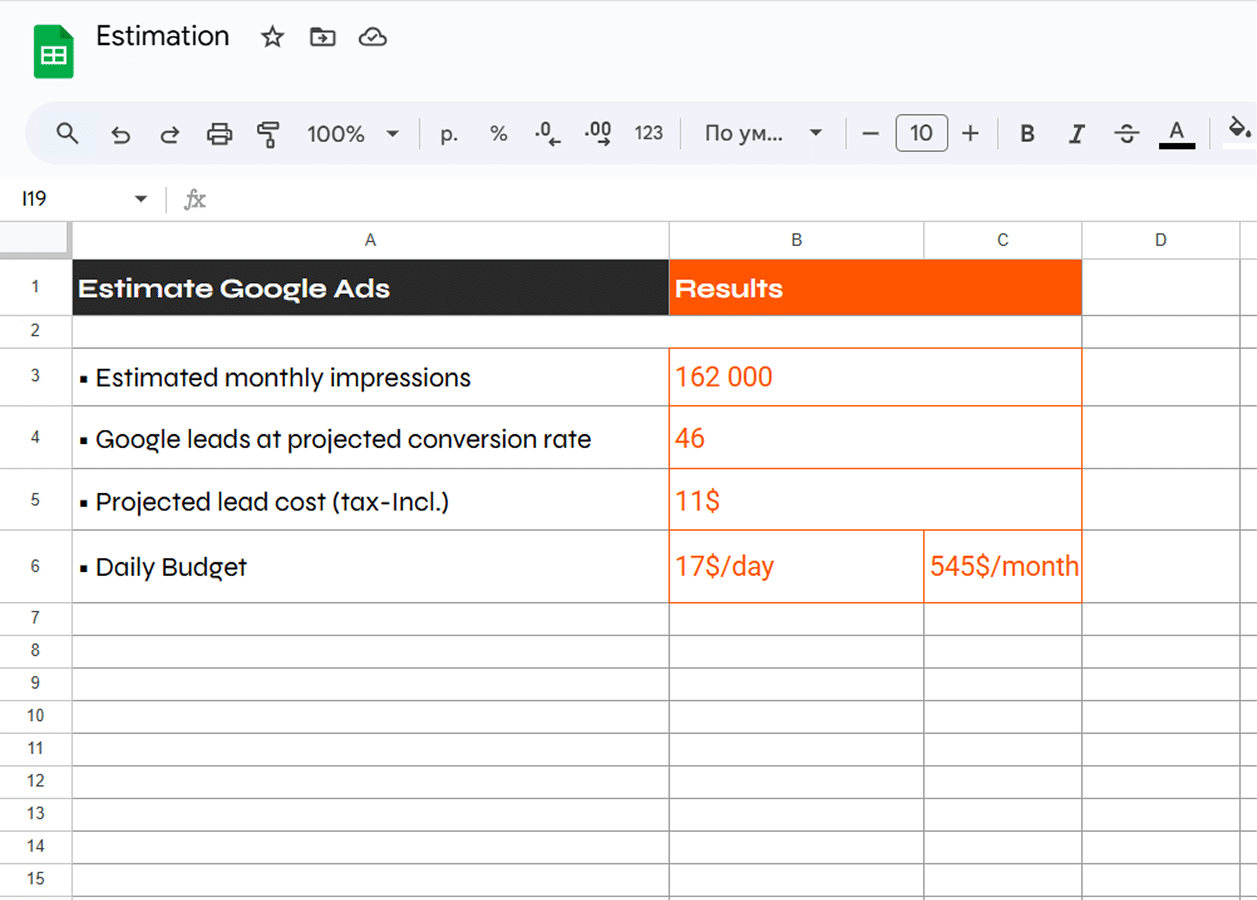
Get a free Google Ads forecast
Schedule free marketing consultation
Discuss your goals and get a free Google Ads forecast.