Do you sell industrial equipment worth $250,000, implement software for manufacturing plants, or build large-scale boiler systems?
Then you look at marketing case studies where everything seems simple: a customer watches a catchy video and immediately makes a purchase.
But that’s not how your business works.
Your customers spend months evaluating options, comparing dozens of suppliers, consulting with legal teams, finance departments, engineers, and technical specialists before making a decision. They can’t afford to make a mistake because the cost of choosing the wrong vendor is simply too high.
So you may be asking yourself:
How do you market a complex, high-value product when traditional marketing tactics don’t work?
In this article, we’ll explain which marketing strategies actually work for B2B industries with long sales cycles, how to generate qualified leads through PPC advertising, SEO, and a corporate website, and why even great marketing doesn’t always guarantee sales.
Selling a $250,000 Machine Isn't the Same as Selling a Cup of Coffee
One of the biggest mistakes marketers make is trying to sell a $250,000 piece of industrial equipment the same way they sell a $5 cup of coffee.
When someone wants coffee, they can make a buying decision in minutes.
When a company is investing hundreds of thousands—or even millions—of dollars in equipment, the purchasing process can take months.
That’s why marketing expensive, technically complex products requires an entirely different approach to advertising, lead generation, and sales.
Customers Don't Buy Immediately
When someone wants a cup of coffee, they see an ad, choose the nearest café, and make a purchase. The decision takes only a few minutes.
Industrial equipment is a completely different story.
Very few companies are willing to spend hundreds of thousands of dollars after a single website visit or one phone call.
Before making a purchase, buyers typically:
• research the market;
• compare manufacturers and suppliers;
• request proposals from multiple vendors;
• calculate return on investment;
• discuss the purchase internally with different departments.
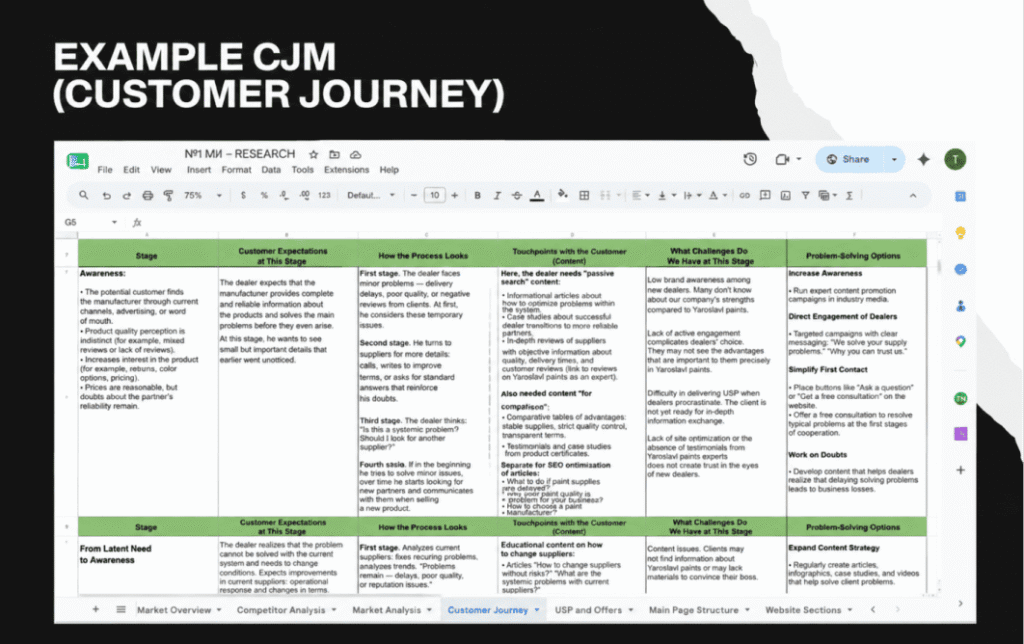
As a result, several weeks—or even several months—may pass between the first inquiry and the signed contract.
That’s why if a lead doesn’t become a customer within a few days after launching a PPC campaign, it doesn’t necessarily mean the advertising isn’t working.
For many complex B2B industries, a long sales cycle is completely normal.
One Person Rarely Makes the Buying Decision
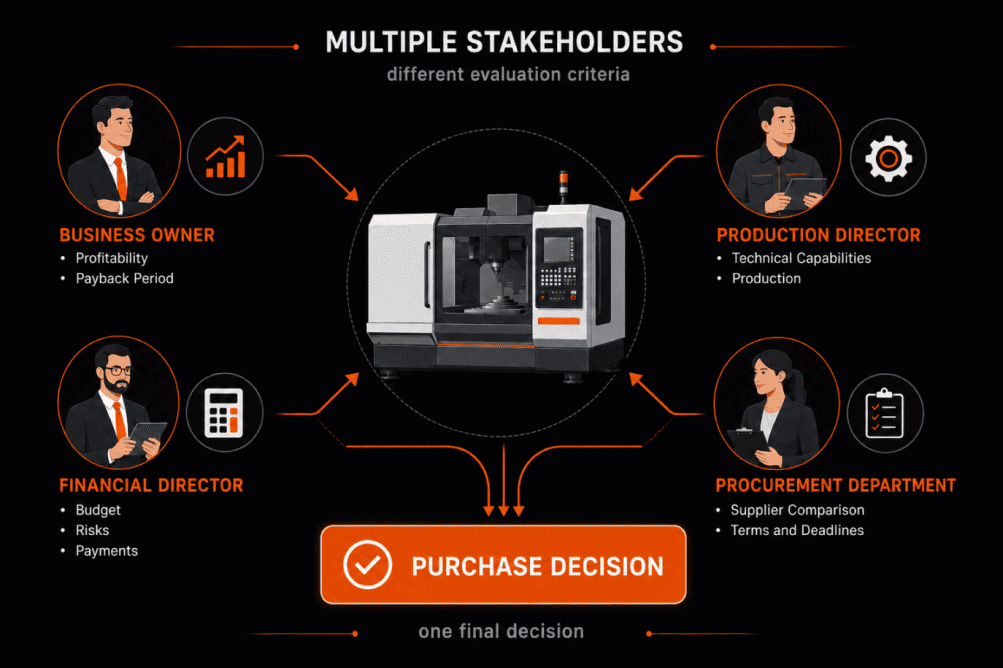
Another characteristic of expensive B2B products is that purchasing decisions are rarely made by just one person.
For example:
• The business owner wants to understand the financial return and when the investment will pay for itself.
• The production manager evaluates whether the equipment will solve operational challenges.
• The CFO reviews pricing, payment terms, and financial risk.
• The procurement manager compares proposals from different suppliers.
In other words, the purchase goes through multiple layers of approval.
If even one stakeholder has doubts, the deal can be delayed—or fall apart entirely.
That’s why companies shouldn’t focus solely on product specifications.
Instead, they need to demonstrate value for every decision-maker involved in the buying process.
Buyers Contact Multiple Vendors
Most companies purchasing expensive equipment don’t rely on just one supplier.
They typically:
• submit inquiries through several websites;
• speak with multiple sales representatives;
• request several proposals;
• compare pricing, delivery timelines, warranties, and service options.
In practice, this means your competitors start competing for the same customer the moment that prospect contacts your business.
Simply generating a lead isn’t enough.
You also need to:
• respond quickly;
• answer questions thoroughly;
• provide a clear, professional proposal;
• explain why your company is the best choice.
The Cost of Making the Wrong Decision Is Extremely High
If someone buys a cup of coffee they don’t enjoy, they’ll simply visit another coffee shop next time.
The consequences are minimal.
With industrial equipment, however, choosing the wrong supplier can cost a company hundreds of thousands—or even millions—of dollars.
Late equipment delivery may delay production schedules.
Poor service or unavailable replacement parts can lead to costly downtime.
Equipment that doesn’t meet operational requirements can significantly impact productivity and profitability.
That’s why prospective buyers carefully evaluate suppliers before making a decision.
They read customer reviews, examine completed projects, and look for evidence that the company is reliable enough to become a long-term partner.
What Actually Influences Buying Decisions in High-Ticket B2B Markets?
Many companies assume customers choose suppliers based solely on price.
As a result, they focus almost entirely on discounts and lowering their prices below the competition.
In reality, purchasing decisions are far more complex.
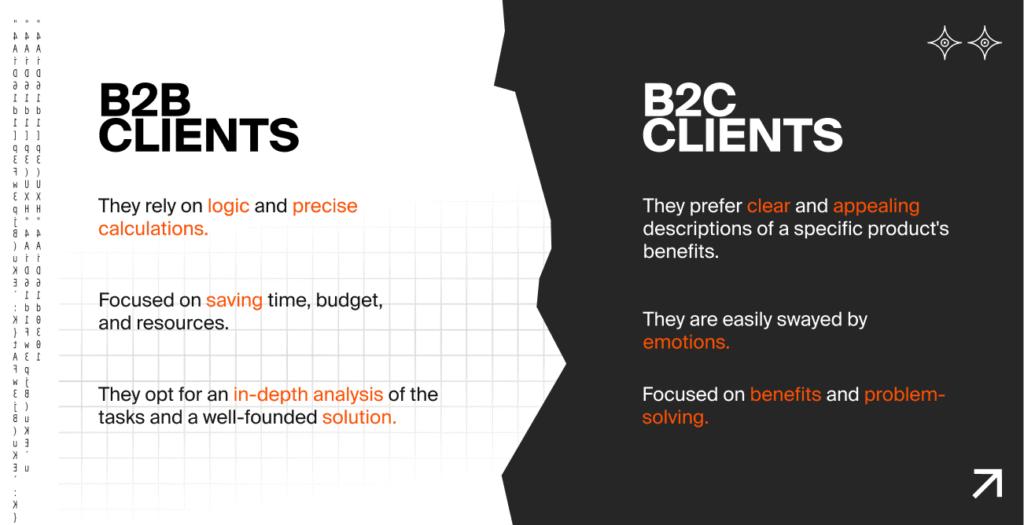
When businesses invest hundreds of thousands or millions of dollars in industrial equipment, machinery, or heavy equipment, they aren’t simply buying a product.
They’re choosing a partner capable of solving an important business problem with the lowest possible risk.
That’s why a company with a higher price can still win the contract.
Delivery Time
For many businesses, time directly impacts revenue.
If launching production, completing a construction project, or fulfilling customer contracts depends on equipment arriving on time, every day of delay can become expensive.
That’s why buyers often choose the supplier that can deliver faster—even if their price is slightly higher.
Equipment Availability
Not every company is willing to wait several months for custom manufacturing or overseas delivery.
If the required equipment is already in stock and ready to ship, that becomes a significant competitive advantage and can dramatically shorten the buying process.
Flexible Financing Options
Even large organizations aren’t always prepared to pay hundreds of thousands of dollars upfront.
When suppliers offer financing, leasing, or flexible payment plans, it becomes much easier for buyers to secure internal approval and move forward with the purchase without putting unnecessary pressure on cash flow.
Warranty Coverage
When purchasing expensive industrial equipment, buyers want to know they won’t be left on their own if something goes wrong.
Clear warranty terms reduce perceived risk and make it easier for customers to choose a supplier with confidence.
In-House Service Team
For many companies, purchasing equipment is only the beginning.
They also want to know who will service and maintain the equipment after installation.
If your company has its own service department and qualified technicians who can quickly resolve technical issues, it significantly increases buyer confidence and trust.
Spare Parts Availability
Every piece of industrial equipment requires ongoing maintenance and periodic replacement of components.
That’s why many buyers ask about spare parts availability and delivery times before making a purchase.
In many cases, the ability to quickly supply replacement parts is more valuable than a small difference in price.
Installation and Commissioning Support
For complex industrial equipment, delivery alone isn’t enough.
Customers often evaluate whether the supplier also provides installation, setup, and commissioning services.
The fewer problems buyers expect to face after delivery, the more likely they are to move forward with the purchase.
Employee Training
Even the most advanced equipment won’t deliver results if employees don’t know how to operate it.
When suppliers provide training for operators and staff, it becomes another competitive advantage and reduces the customer’s concerns about adopting new equipment.
Company Experience
When businesses are making investments worth hundreds of thousands—or even millions—of dollars, they naturally prefer working with companies that have already established a strong reputation.
The more experience a supplier has and the longer it has been operating in its industry, the more confidence it inspires among prospective customers.
Proposal Response Time
In high-value B2B sales, customers often send requests to several suppliers at the same time.
If one company responds within a few hours while another takes several days to prepare a proposal, the faster company immediately gains an advantage.
A quick response demonstrates organized internal processes and helps keep the prospect engaged before competitors have a chance to take over.
Trust in Your Company
Ultimately, customers aren’t simply buying equipment.
They’re choosing a company they trust to solve an important business challenge.
That’s why the winning supplier isn’t always the one offering the lowest price.
More often, it’s the company that successfully demonstrates its reliability, expertise, and commitment to supporting customers throughout the entire partnership.
What Marketing Actually Works for High-Ticket B2B Industries?
At this point, a logical question arises:
If customers take months to make a decision, compare multiple suppliers, and evaluate dozens of factors beyond price, how do you attract them in the first place?
One of the biggest mistakes companies make is searching for a single marketing channel that will solve everything.
In reality, successful B2B marketing is rarely built around just one source of leads.
To generate a consistent flow of qualified prospects, you need a complete marketing system—one that attracts potential customers, builds trust, and supports them throughout the entire buying journey.
PPC Advertising Helps You Reach Buyers with Existing Demand
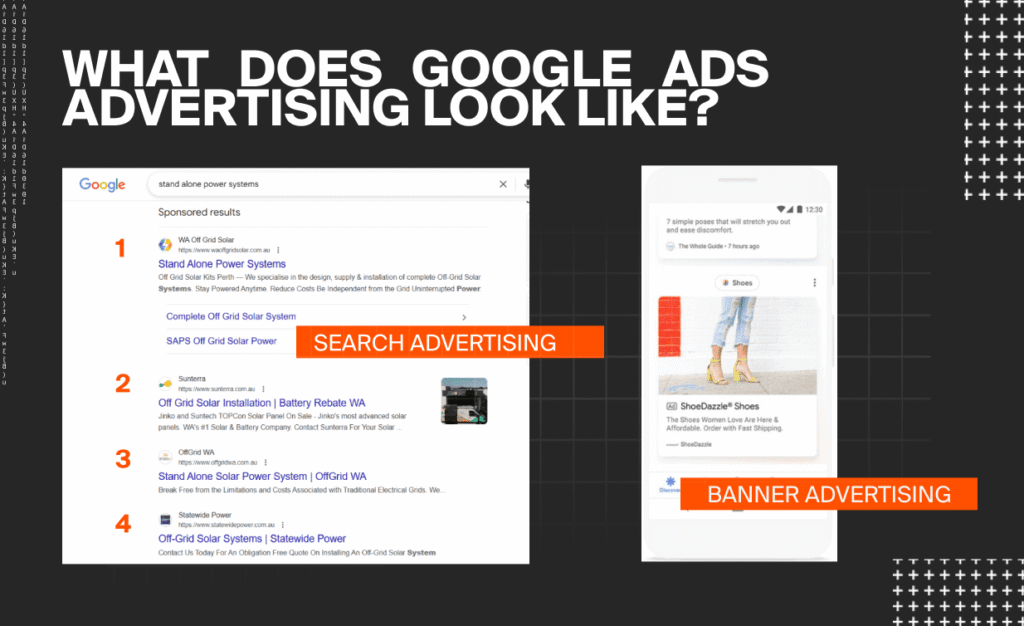
When companies need industrial equipment, heavy machinery, or complete production lines, their first step is usually searching online.
That’s why Google Ads remains one of the most effective marketing channels for promoting complex B2B products.
However, there’s one important challenge.
The same search keywords can attract both buyers who are ready to make a purchase and people who are simply researching the market.
That’s why successful PPC management for B2B industries requires:
• carefully structured keyword research;
• ongoing campaign optimization;
• deep understanding of the industry and customer behavior.
Before launching campaigns, it’s important not only to configure Google Ads correctly but also to determine whether there is enough demand, estimate how many qualified leads can realistically be generated, and forecast potential results.
In our agency, every project starts with forecasting.
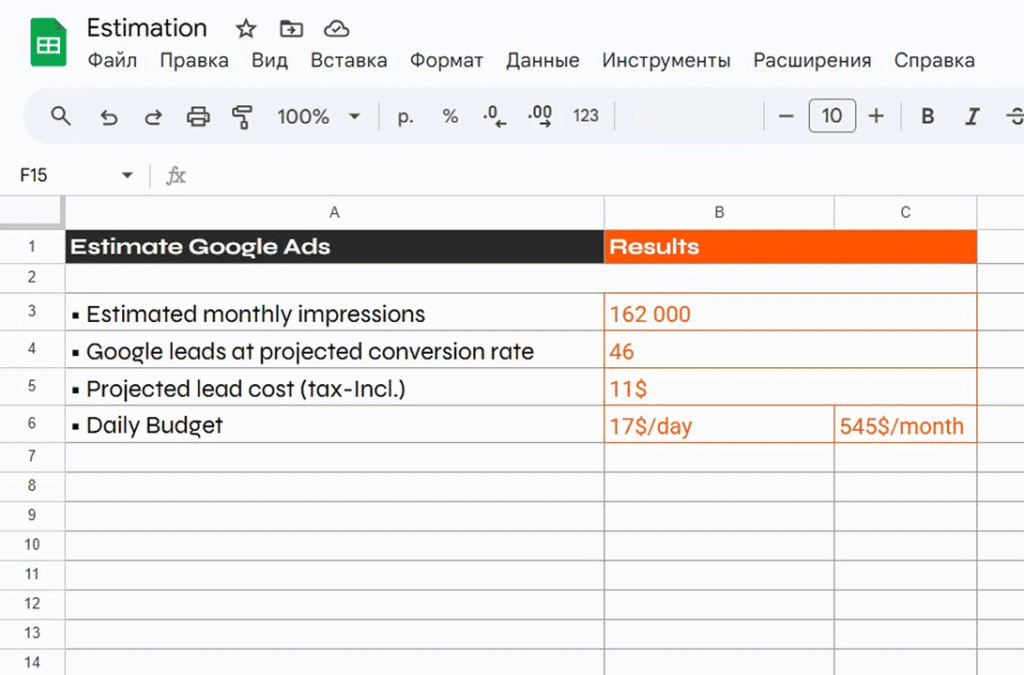
Before spending a single advertising dollar, we estimate:
• search demand;
• expected lead volume;
• average cost per lead;
• recommended advertising budget.
A PPC media plan allows businesses to understand expected performance before campaigns go live, helping them make decisions based on data instead of assumptions.
This approach reduces unnecessary spending and helps determine whether PPC advertising is likely to be profitable for the business.
If you’d like to know whether Google Ads will be profitable for your business, we’ll prepare a free PPC forecast for you.
SEO Generates Qualified Leads for Long-Term Growth
Not every customer is ready to submit an inquiry after their first Google search.
Many spend time researching equipment specifications, comparing manufacturers, reading reviews, and gathering technical information before contacting suppliers.
That’s exactly why SEO remains an essential part of marketing for industrial companies and B2B businesses.
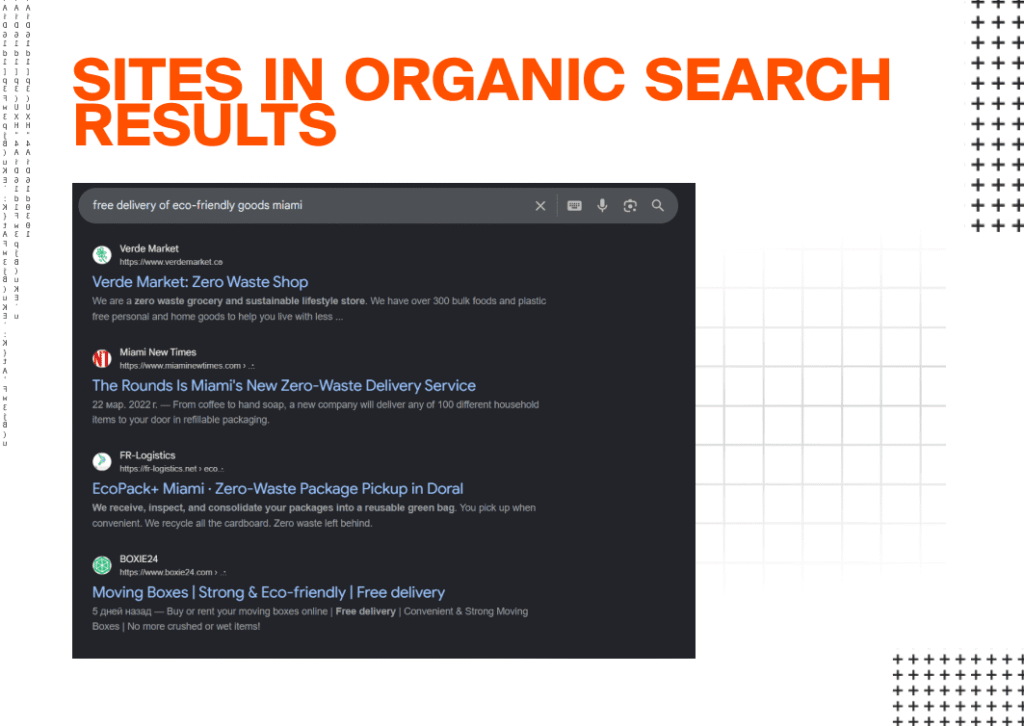
When a company consistently publishes valuable articles, buying guides, technical resources, case studies, and educational content, it starts attracting potential customers much earlier in the buying process—while they’re still researching the market.
Over time, organic search becomes one of the most reliable and consistent sources of qualified leads.
Expert Content Sells Without Feeling Like a Sales Pitch
The more complex the product, the more questions prospective customers have.
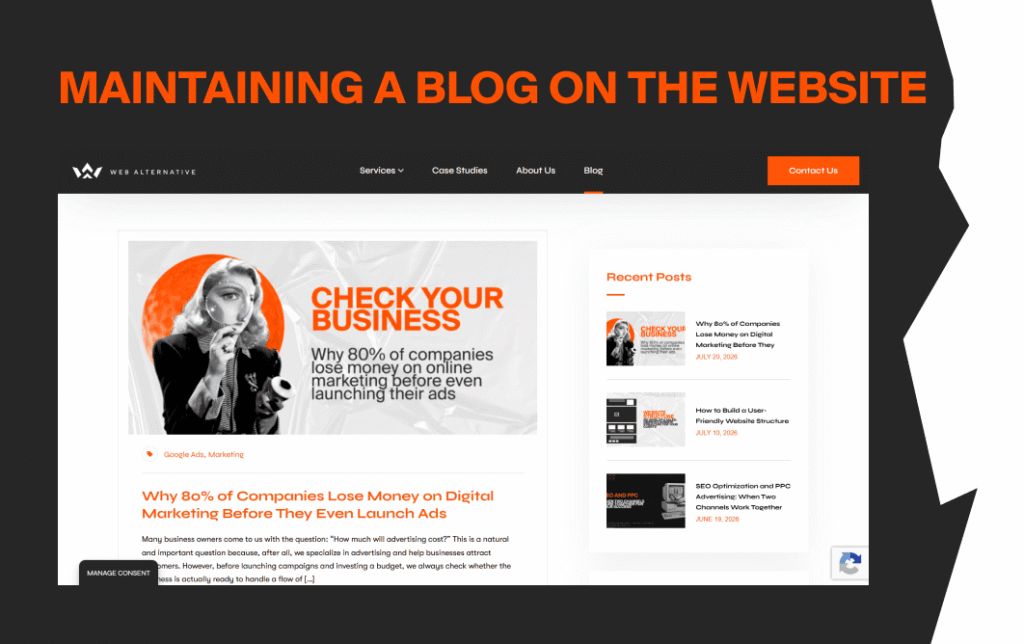
Articles, case studies, product comparisons, videos, technical guides, and answers to frequently asked questions help eliminate many objections before a customer ever speaks with a sales representative.
This type of content doesn’t sell directly.
Instead, it gradually builds trust and strengthens your company’s reputation as an industry expert.
What Really Influences Buying Decisions in High-Value B2B Markets
Many companies assume customers choose a supplier based solely on price. As a result, they focus all their attention on discounts and trying to make their offer cheaper than the competition.
In reality, it’s much more complex.
When businesses are purchasing industrial equipment, heavy machinery, or manufacturing systems worth hundreds of thousands—or even millions—of dollars, they’re evaluating far more than the purchase price. They’re looking for a supplier who can solve their problem while minimizing business risk. That’s why even if your proposal costs more, you can still win the deal.
Delivery Time
For many companies, time directly impacts revenue. If launching production, completing a construction project, or fulfilling a contract depends on receiving equipment, every day of delay can result in significant financial losses.
That’s why buyers often choose a supplier that can deliver faster—even if the price is slightly higher.
Equipment Availability
Not every business is willing to wait several months for equipment to be manufactured or imported.
If the required equipment is already in stock and ready for shipment, it becomes a major competitive advantage and can significantly shorten the buying process.
Financing Options
Even large companies don’t always want to pay hundreds of thousands of dollars upfront.
If a supplier offers financing, leasing, or flexible payment terms, it becomes much easier for the customer to approve the purchase without putting unnecessary strain on cash flow.
Warranty Coverage
When investing in expensive equipment, buyers want confidence that they won’t be left on their own if something goes wrong.
Clear warranty terms reduce perceived risk and make the purchasing decision much easier.
Service and Technical Support
For many manufacturers, purchasing equipment is only the beginning.
They also need to know who will maintain and service it after installation.
If your company has its own service department and qualified technicians who can respond quickly, customer confidence increases dramatically.
Spare Parts Availability
Every piece of industrial equipment requires maintenance and replacement parts over time.
That’s why many buyers ask about spare parts availability and delivery times before making a purchase. In many cases, fast access to replacement parts is more valuable than a small difference in price.
Installation and Commissioning Support
For complex industrial equipment, delivery alone isn’t enough.
Customers want to know whether the supplier provides installation, setup, and commissioning services. The fewer problems they face after purchase, the more likely they are to move forward with the deal.
Employee Training
Even the most advanced equipment won’t deliver results if employees don’t know how to operate it properly.
If your company offers training for customer staff, it becomes another strong competitive advantage while reducing buyers’ concerns about implementation.
Industry Experience
When companies are making major capital investments, they prefer working with suppliers that have already proven themselves in the market.
The more experience your company has—and the longer you’ve been serving your industry—the more confidence potential customers will have in your business.
Speed of Quotation
In complex B2B sales, prospects usually request quotes from several suppliers at the same time.
If one company responds within hours while another takes several days, the faster supplier gains a significant advantage. Quick response times demonstrate strong internal processes and help keep the prospect engaged while they’re actively evaluating vendors.
Trust in Your Company
Ultimately, customers aren’t simply buying equipment.
They’re choosing a company they trust to solve an important business challenge.
That’s why the winning supplier often isn’t the one with the lowest price—it’s the one that demonstrates reliability, expertise, and a commitment to supporting the customer throughout the entire project.
Which Marketing Strategies Actually Work in Complex B2B Industries?
At this point, a logical question arises:
If customers take months to make decisions, compare multiple suppliers, and evaluate dozens of factors beyond price, how do you attract them?
One of the biggest mistakes companies make is searching for a single “magic” marketing channel.
In reality, successful B2B marketing is rarely built around one tactic alone. Consistent lead generation requires a complete system that attracts prospects, builds trust, and supports them throughout the entire buying journey.
Schedule free marketing consultation
Learn how to stop wasting ad spend and turn marketing into real profit