Hey there! In our last article, we walked through how to build a winning marketing strategy for B2B niches and highlighted the key differences between B2B and B2C models. Now, the big question remains: “How do you actually start attracting clients, and which marketing tools deliver results?” In this guide, we share proven, high-performing tools to drive customer acquisition.
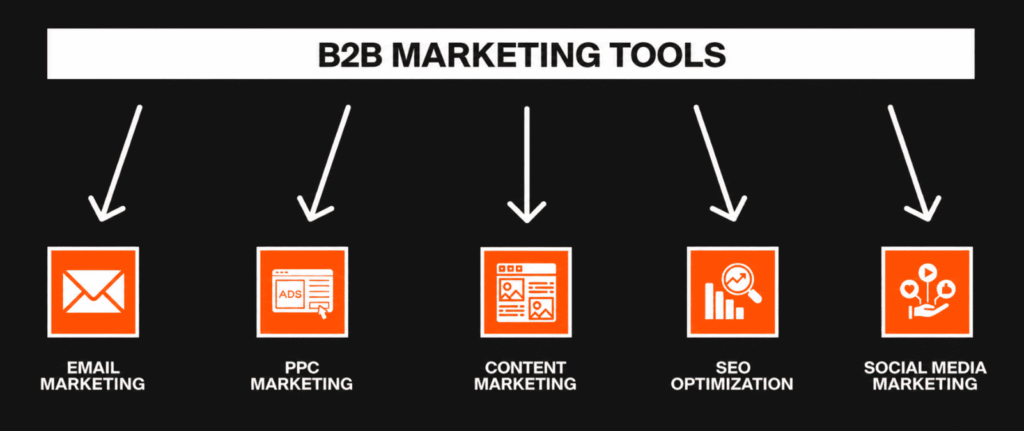
When it comes to digital B2B marketing, five core tools stand out:
- Pay-Per-Click Advertising (PPC): Ads running on search engines like Google Ads.
- Email Marketing: Targeted campaigns designed to acquire new prospects and maintain active relationships with your audience.
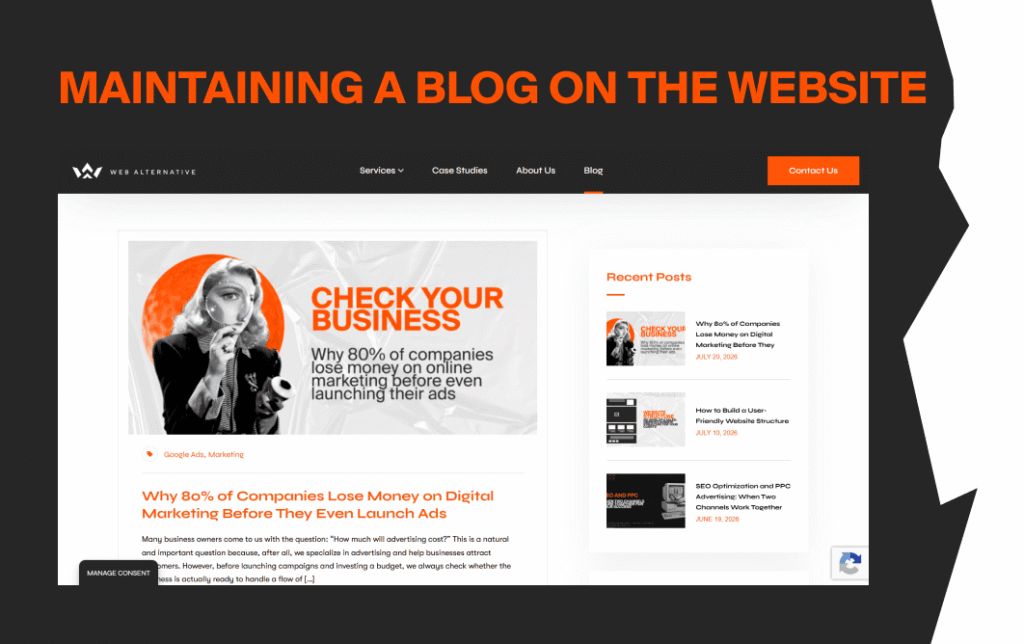
- Content Marketing: Creating high-value resources, such as blog posts (yes, reading this article right now is content marketing in action).
- SEO (Search Engine Optimization): Optimizing your website to secure top positions in search engine results pages.
- Social Media Marketing: While rarely a primary direct-response channel in B2B, it plays a vital role in building brand awareness and credibility.
PPC Advertising
Pay-Per-Click advertising (PPC) involves placing strategic ads on search engines and partner platforms where you only pay when a user actually clicks through to your landing page.
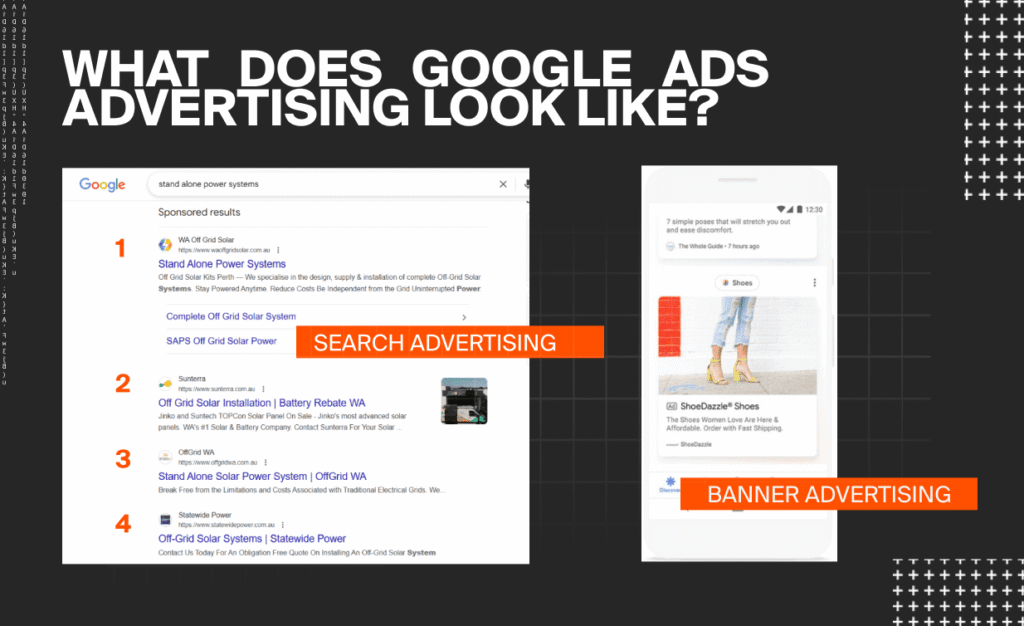
In the B2B sector, PPC acts like a high-tech metal detector: configured correctly with precise targeting parameters, it allows you to surface high-intent, “gold-nugget” leads starting from day one of your launch.
Return on Investment (ROI) serves as your primary compass: tracking precisely what goes in versus what comes out. The real strategic advantage comes when you project these outcomes before launching a single campaign. That brings us to our complimentary Google Ads forecasting evaluation. Prior to launch, we calculate your potential lead volume and cost-per-acquisition (CPA)—delivering clear data, metrics, and objective projections rather than guesswork.
A media plan in PPC advertising is the process of upfront data collection and performance forecasting based on market analysis. It gives you early visibility into estimated traffic volume, required ad spend, lead counts, and average cost-per-lead (CPL)—typically within a 10–15% margin of accuracy.
Why Is Performance Forecasting Essential for Business?
Optimized Budget Allocation: Direct spend exclusively into channels that drive measurable conversions.
Realistic Sales Planning: Establish concrete, achievable sales targets.
Strategic Growth Direction: For business owners running multiple ventures, it helps identify the most profitable vertical to scale.
If you want to determine the potential profitability of your upcoming PPC campaign, we will prepare a custom forecast for you completely free of charge.
Secret Link with Your Free Bonus
Why is PPC particularly valuable for B2B? Speed to market. You don’t have to wait months for Google to index your blog or hope someone stumbles upon a social post. You launch the campaign, and within hours, your target decision-makers are seeing your offering.
For example, in this case study, we detailed how we set up search advertising for HVAC Company.

B2B Email Marketing
Email marketing in the B2B space focuses on acquiring prospective decision-makers and nurturing long-term brand loyalty.
B2B email marketing is far more than sending generic blasts and hoping for a response. It is a systematic process of building trust, cultivating prospect intent, and seamlessly guiding buyers through long sales cycles.
To keep your messages out of the spam folder, deliver content that provides tangible business value: relevant case studies, actionable industry insights, and practical strategies.
How to Make B2B Emails Personal Rather Than Automated
- Build a Quality List: Quality strictly overrides quantity. Skip generic offers like “Download 354 Sample Business Emails.” Instead, offer high-value assets: a comprehensive PPC audit checklist, a ROI calculator, or an invitation to a webinar on “How to Avoid Wasting Your Ad Budget in Week One.” Decision-makers readily provide valid business emails for genuinely useful resources.
- Segment Your Database: Divide your list by industry sector, job title, and engagement levels to transform raw contact lists into high-intent audiences. For instance: “Real Estate Marketing Directors” or “Construction Business Owners.”
- Craft Targeted Messaging: Share niche-specific case studies, invite prospects to industry events, and provide actionable expertise. Shift the conversation from “Here are our services” to “Here is how we halved the cost-per-lead for a commercial developer. Would you like to see the breakdown?”
Effective B2B email marketing is not about mass outreach; it is about delivering relevant value to the right person at the right time—starting with a clear, compelling subject line.
B2B Content Marketing
B2B content marketing transforms your team’s internal expertise into a strategic client magnet. When you educate and assist prospects, sales follow naturally.
The goal is to position your brand as the trusted industry authority—the firm buyers search for and consult. When decision-makers compare identical vendors, they consistently select the company that has already provided value through an article, breakdown, or webinar.
For example, if you offer warehouse automation software, instead of abstract statements about “cutting-edge tech,” publish a detailed breakdown on “How to Eliminate Three Days of Manual Inventory Counting (With Metrics).” Share the data, outline the takeaways, and include a clear call-to-action form.
Content Formats
You can leverage blog articles, case studies, webinars, video tutorials, whitepapers, pitch decks, and relatable industry memes.
Content marketing requires ongoing distribution and performance tracking. Even exceptional content yields no ROI if it sits unpromoted on an unvisited webpage.
While B2B content marketing is a long-term strategy, a structured approach ensures prospects reach out fully informed, asking: “Can you achieve similar results for our business?”
B2B Search Engine Optimization (SEO)
SEO (Search Engine Optimization) is the process of optimizing your website to achieve higher organic rankings on search engines, driving targeted traffic without ongoing ad spend. When a prospect searches Google for “enterprise accounting software” and your site appears at the top of organic results, your SEO strategy is delivering.
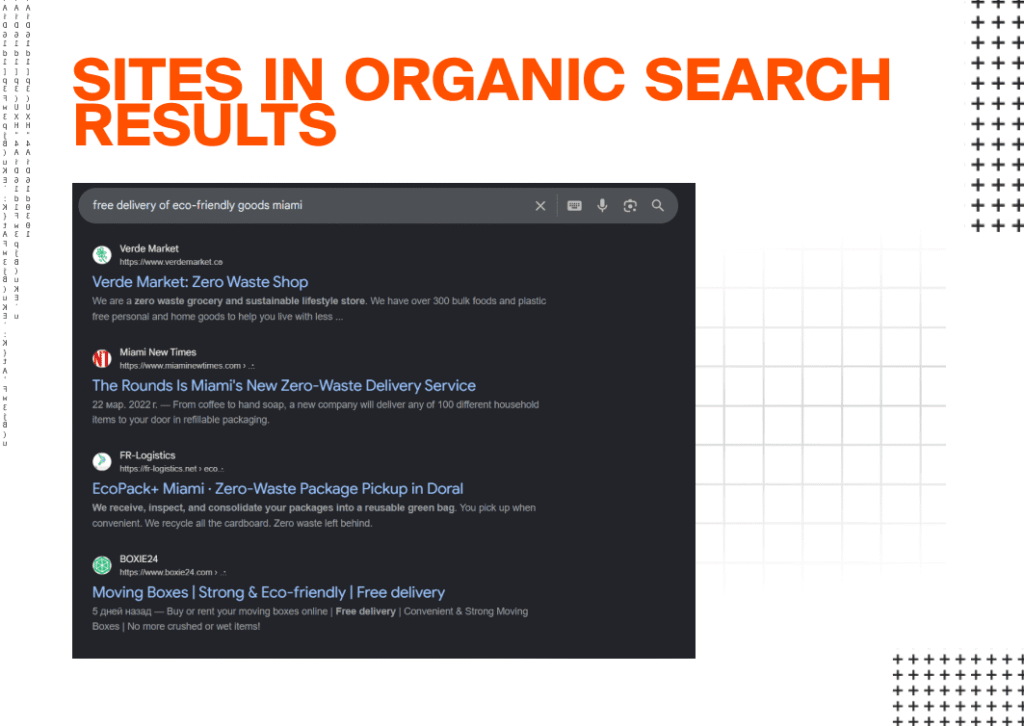
Why is SEO critical for B2B? Buyers in complex industries rarely discover enterprise vendors on viral social platforms. They conduct thorough, search-based research. If your brand is absent from search results, prospects will connect with competitors who maintain visibility.
Key Factors for B2B SEO Success
• Keyword Intent: Identify exact search queries used by target buyers. Focus on high-intent terms like “logistics workflow tracking system” rather than overly broad concepts.
• Content Quality: Avoid outdated techniques like keyword stuffing. Search engines prioritize original, authoritative content that directly answers search queries.
• Continuous Optimization: SEO requires ongoing technical maintenance, regular content updates, and site structure improvements.
A sustained SEO investment establishes a predictable flow of inbound organic traffic while building brand authority, causing prospects to research and trust your firm before the initial discovery call.
B2B Social Media Marketing
Social platforms serve as powerful channels for professional engagement, brand positioning, and content distribution across networks like LinkedIn, X (formerly Twitter), Facebook, Instagram, and YouTube.
The priority is maintaining an active presence where your target buyers spend time. If your primary buyer is a CIO or business owner, concentrate effort on professional platforms rather than consumer-centric networks.
Execution Strategies
• Diverse Media Formats: Utilize short-form video, thought-leadership text posts, infographics, carousel slide decks, and case studies.
• Showcase Operations: Share behind-the-scenes processes, team insights, and client success stories.
• Humanize Your Brand: Maintain professional authenticity in your messaging.
For example, if you are running a campaign for a commercial security installer, avoid publishing generic posts on “The Importance of Property Security.” Instead, detail how your team protected a $200,000 warehouse inventory through strategically positioned camera systems, using clear visuals to maximize engagement.
Consistency is key—infrequent posting yields minimal traction. Active social media marketing remains one of the most cost-effective methods to reinforce brand awareness and stay top-of-mind with prospective clients.
Conclusion
B2B marketing relies on integrated systems, financial projections, and clear communication aligned with target audience needs. PPC delivers fast results and clear financial forecasts, email marketing nurtures prospect interest, content marketing establishes domain expertise, SEO secures long-term search visibility, and social media reinforces market presence.
Each channel operates as a distinct component within a broader marketing engine. While individual channels generate value, full performance is realized when they operate in alignment.
If you are looking to build a cohesive B2B lead generation system that consistently turns prospects into sales, our team is ready to assist.
Schedule free marketing consultation
Learn how to stop wasting ad spend and turn marketing into real profit